The conversation around gut-friendly eating has expanded considerably over the past decade, moving from a niche interest in fermented foods toward a more comprehensive understanding of dietary diversity and its relationship to digestive function. What the research suggests, consistently, is that the most practical foundation for gut-supportive eating is not a specialised supplement or a restrictive elimination plan, but a kitchen stocked with varied whole foods and the habits that put them on the plate.
Why Dietary Diversity Matters More Than Any Single Food
The gut microbiome — the community of microorganisms residing in the large intestine — is shaped by diet over time. Research published across several large population studies, including the British Gut Project and the American Gut Project, consistently identifies dietary diversity as one of the strongest predictors of microbial diversity, and microbial diversity as associated with markers of digestive resilience.
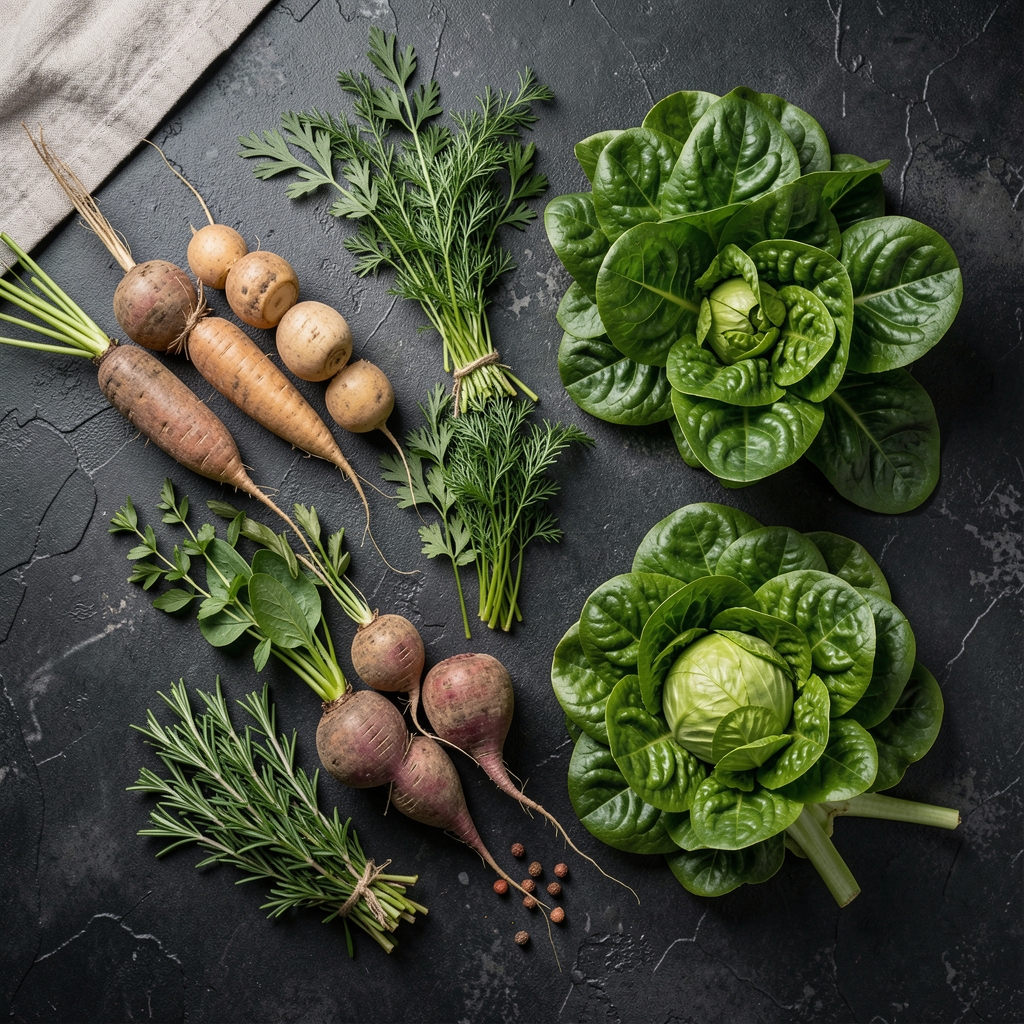
Dietary diversity, in this context, means not only eating a wide range of food categories but eating a wide range of different plants across the week. A diet built around five or six vegetables rotated repeatedly offers a narrower range of substrates to the microbiome than one incorporating twenty or more plant varieties — including herbs, spices, legumes, whole grains, and seasonal produce.
The practical implication is straightforward: the goal is not to identify a small number of "superfoods" and consume them in large quantities, but to rotate the weekly menu across as wide a range of plant-based foods as the kitchen and the season allow. This rotation is more easily achieved through active meal planning and a willingness to use unfamiliar vegetables when they appear at market.
"Variety is not a luxury feature of a good diet. It is, in the current research record, one of its most significant structural properties."
— Tobias Marsden, Belmora Journal
The Role of Prebiotic Fibre in the Daily Eating Pattern
Prebiotic fibre refers to the indigestible components of plant foods that serve as substrate for beneficial microorganisms in the gut. Unlike digestive fibre more broadly, prebiotics are specifically fermented by certain bacteria, producing short-chain fatty acids that serve as an energy source for the cells lining the intestine and play a role in maintaining the gut environment.
Foods naturally rich in prebiotic fibre include: Jerusalem artichokes, chicory, leeks, onions, garlic, asparagus, bananas (particularly less ripe), oats, and barley. These do not require supplemental forms — they are accessible whole foods available at most UK markets and supermarkets year-round or in season.
A fibre-first kitchen incorporates these foods not as specific nutritional interventions but as routine kitchen staples. Leeks in a winter soup. Oats at breakfast. Garlic and onion as the base of most savoury preparations. Asparagus in spring. The accumulation of these ordinary choices across the week provides a consistent prebiotic intake without requiring any dramatic departure from familiar cooking.

Fermented dairy alongside fruit and seeds. Morning preparation, studio lighting.
Fermented Foods: Where the Evidence Sits
Fermented foods — yoghurt, kefir, kimchi, sauerkraut, miso, tempeh, kombucha — contain live microorganisms introduced or preserved through the fermentation process. Their inclusion in the diet has received increasing research attention, with a 2021 study from Stanford University finding that a diet high in fermented foods increased microbial diversity and reduced markers of inflammation over a ten-week period compared to a high-fibre diet alone.
The research on fermented foods is still developing, and claims made about specific products vary considerably in the strength of their supporting evidence. What the evidence supports more consistently is the regular inclusion of traditionally fermented foods — whole-culture yoghurt, naturally fermented sauerkraut, unpasteurised kimchi — rather than highly processed versions where live cultures may not survive manufacturing.
In the kitchen, fermented foods are most easily incorporated as accompaniments and condiments rather than as standalone dishes. A tablespoon of kimchi alongside a grain bowl. Plain yoghurt as a base for salad dressing or alongside roasted vegetables. Miso stirred into a broth at the end of cooking, after the heat has been removed. These patterns make consistent inclusion easy without requiring new recipes or significant preparation time.
Building a Gut-Friendly Weekly Menu
A practical weekly menu designed around gut-supportive eating does not look dramatically different from a balanced whole-food diet. The principal additions are attention to plant variety, the regular presence of prebiotic-rich vegetables, and the incorporation of at least one or two fermented foods each day as accompaniments.
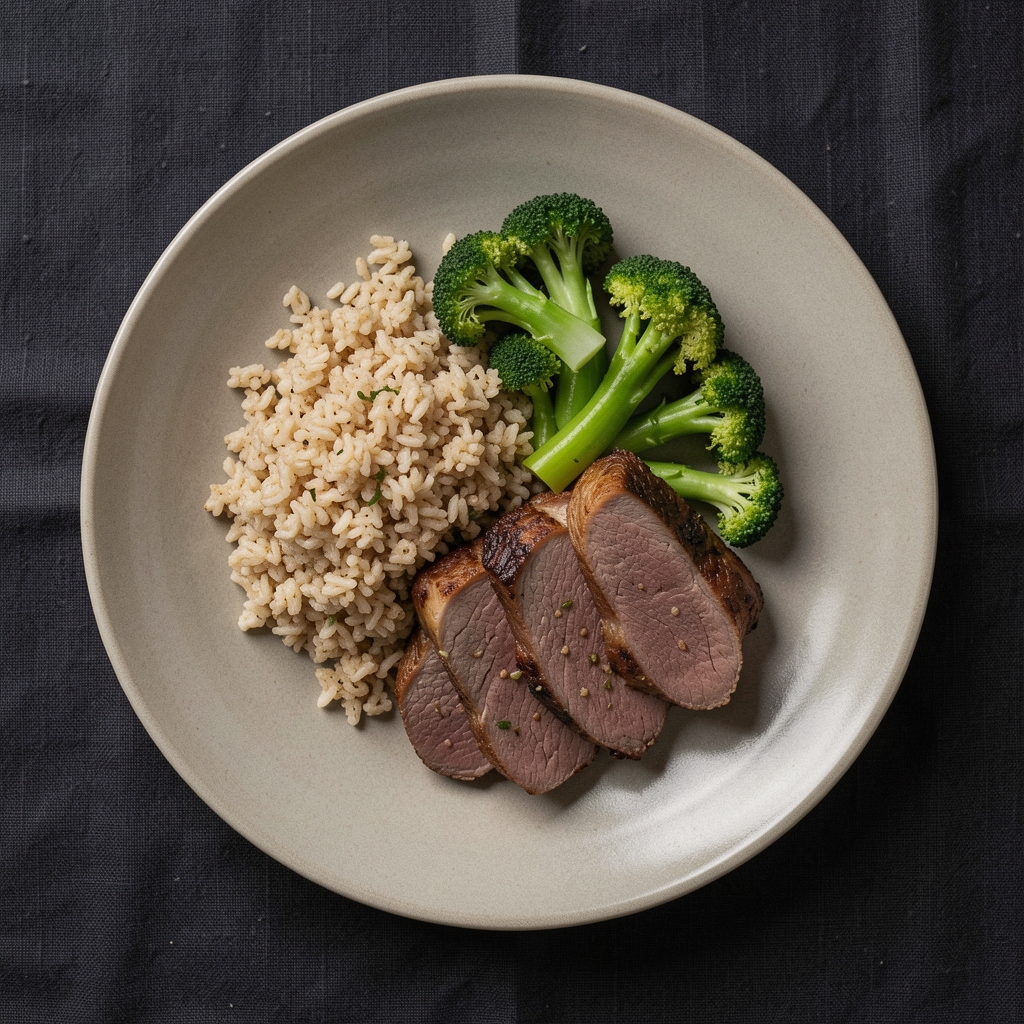
In practice, this means: rotating grains (brown rice, barley, oats, rye, quinoa) rather than relying on a single starch; including a legume at two or three meals per week (lentil soup, chickpea salad, bean stew); using at least five different vegetables in the week's cooking rather than returning to the same two or three; and keeping a pot of plain yoghurt in the refrigerator as a default accompaniment.
For those keeping a food journal, a simple log of plant variety across the week provides a useful qualitative measure of dietary diversity without requiring nutrient-level analysis. Counting distinct plants eaten — including herbs, spices, and condiments — across seven days gives a useful proxy for the range of substrates available to the gut microbiome.
Mindful Eating in the Gut-Supportive Context
The pace and context of eating affect digestion in ways that are often underestimated. Eating quickly, while stressed, or in fragmented intervals engages the nervous system in a state less conducive to optimal digestive function. The physiological basis for this is well-documented: the enteric nervous system — the network embedded in the gut wall — is sensitive to the broader stress state of the body.
Mindful eating, at its most practical, means seated meals where the food receives attention. This is not a behavioural ideology but a simple environmental intervention: eating at a table rather than a desk, without a screen competing for attention, at a pace that allows thorough chewing. These conditions allow the digestive process to proceed with fewer interruptions and allow hunger and fullness signals to register more accurately.
- ■Dietary diversity — variety of plants across the week — is among the most consistently supported factors in the gut health research record.
- ■Prebiotic fibre from leeks, onions, garlic, oats, and asparagus is best incorporated as everyday kitchen staples rather than specialist products.
- ■Traditionally fermented foods — yoghurt, sauerkraut, kimchi — are most effective when present consistently, not occasionally.
- ■Counting distinct plants eaten across seven days provides a simple qualitative measure of dietary diversity.
- ■The eating environment — seated, attentive, unhurried — is a relevant factor in digestive function, not merely a preference.